
Let’s be brutally honest for a second: most of us aren’t walking around thinking we’re greedy. We don’t picture ourselves like movie villains sitting on piles of gold while others suffer.
Instead, we call it being responsible. We call it planning ahead. We call it protecting our future.
But if you peel back the layers of that constant, white-knuckled grip on our bank accounts, our stuff, and our schedules, what’s actually driving us?
Fear. And a subtle, quietly corrosive greed rooted in the belief that there will never be enough.
A Note Before We Begin: Read the Scriptures for Yourself
My Heart & Intent: I am sharing my own personal story, my honest reflections, and the lessons God has brought me through in my own life. I am currently in school studying faith-based mental health coaching, learning every day how deeply our hearts, minds, and faith interact. I write to say, “You are not alone in your struggles.”
This post is not meant to be a blanket rule for everyone’s unique lifestyle, medical history, or financial situation, nor should it replace personal study, professional care, or pastoral wisdom. I strongly encourage you to open your Bible, dive into the full context of Matthew 6, and let the Holy Spirit speak directly to your heart and form your own understanding—just as He did for me. Please take my story for what it is: a personal testimony of God’s grace in my own journey.
The Lie of Scarcity vs. Wise Stewardship
In Matthew 6:19 (NLT), Jesus gives a warning that cuts right through our defenses:
“Don’t store up treasures here on earth, where moths eat them and rust destroys them, and where thieves break in and steal.”
Jesus isn’t giving a lesson on bad financial investments here; He’s exposing our heart’s idol. To be clear, Scripture doesn’t condemn saving money, working hard, or being a good steward of what God gives us—Proverbs actually praises the wise person who plans for the future (Proverbs 6:6–8, Proverbs 13:22). The sin isn’t having a savings account; the sin is making that savings account our fortress. There is a massive difference between faithful stewardship and trusting in our own self-reliance.
We live in a world obsessed with the narrative of scarcity. We are taught that resources are limited, the future is terrifying, and if we don’t grab everything we can right now, we’ll be left with nothing. So we start hoarding. We hoard money, time, and control. We ask ourselves, “How much can I keep?” instead of “How much can I share?”
Jesus exposes the spiritual battle behind this in verse 24 when He reminds us that no one can serve two masters: you cannot serve both God and money (mammon). Money isn’t just paper; it acts as an alternative god competing for our ultimate trust.
When we get blinded by a survival mindset, we stop trusting God to be our provider and quietly decide that we have to be our own savior.
What I Am (and Am Not) Talking About: Worry vs. Mental Health
When Jesus continues in verses 25–34 and tells us, “Do not worry about everyday life—whether you have enough food and drink, or enough clothes to wear,” it can feel overwhelming to read.
It is vital to pause here and clarify what I am speaking to from my own experience:
- What I am addressing: The daily, conscious heart posture where we willingly feed a spirit of self-reliance, materialism, and distrust in God over our material security.
- What I am NOT addressing: Involuntary, neurobiological mental health struggles (such as clinical anxiety, panic disorders, or trauma responses like PTSD).
There is a massive distinction between suffering from a medical or psychological condition and making a conscious choice to feed worry over physical possessions. Jesus is addressing our willful heart posture toward earthly wealth—He is not shaming those walking through real bodily or psychological pain. In fact, God’s grace, comfort, and Holy Spirit meet us with endless compassion in those involuntary deep valleys, and seeking professional help alongside prayer is a healthy, God-given resource.
Choosing to worry about what we own, what we control, and what we might lose feels energizing at first. It gives us a false sense of control. But over time, it turns corrosive. It makes us stingy, closed-off, and suspicious of others—viewing people not as neighbors to love, but as competition for limited resources.
The Illusion of Having It All
I know this trap so well because I lived it. If you looked at my life back in 2022, you would have thought my husband and I had it all completely figured out. We had the nice house, the sweet cars, the trendy clothes, and the comfortable bank account. By every standard the world uses to measure success, we were winning.
We were also living completely outside of a relationship with Christ.
Back then, I thought our security was built on a solid foundation. I thought those things were ours because we earned them, protected them, and owned them. But the truth is, we had built our lives on a foundation of sand. We were storing up treasures on earth—and we were completely blind to how fragile it all really was.
When “Life Being Life” Strips You Bare
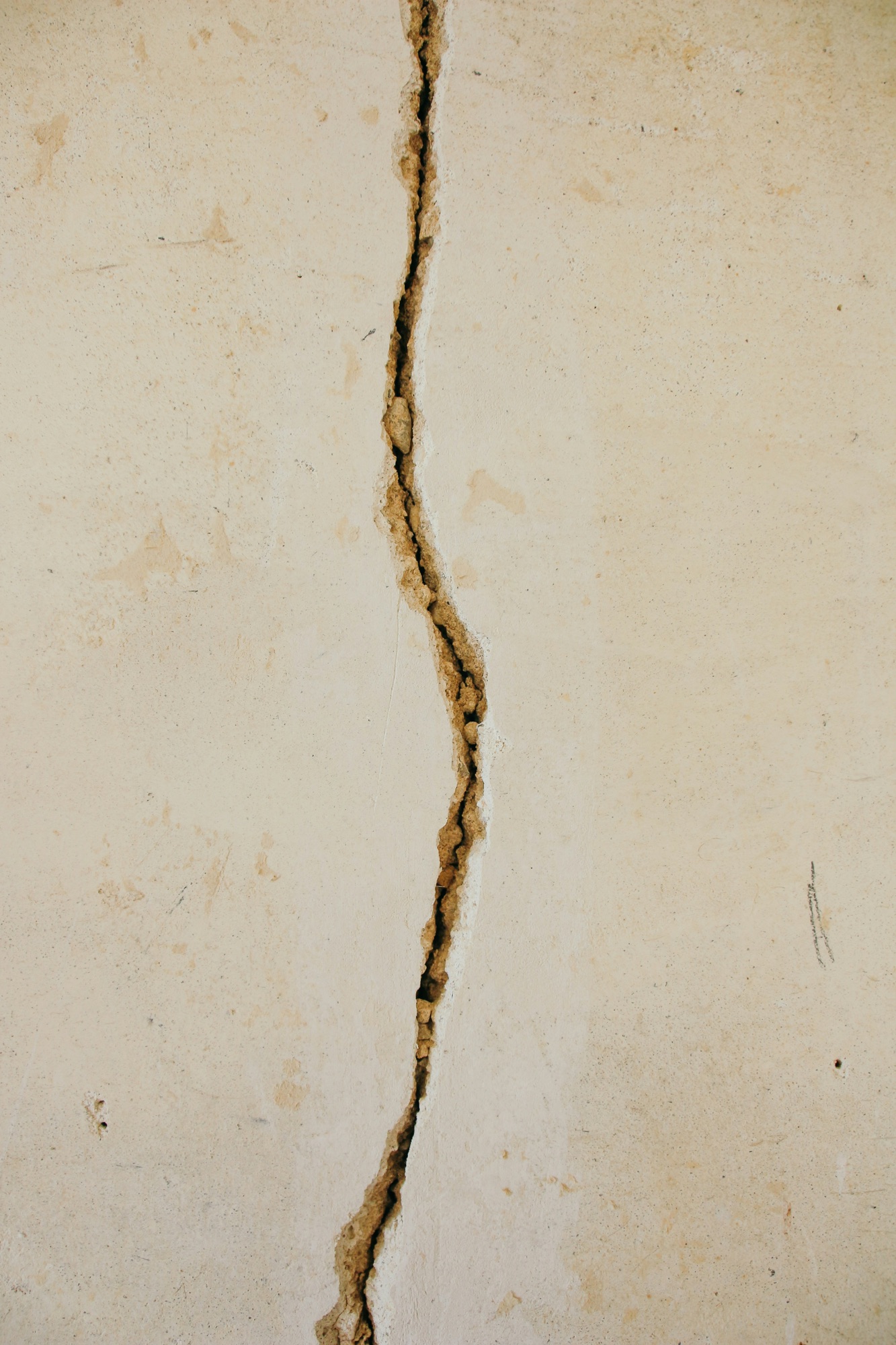
In 2023, the illusion completely shattered. Life happened, as it so often does. I became pregnant with our son and was physically unable to work for a stretch of time. Almost overnight, the dominoes fell.
We lost the house. We lost the cars. We lost the money, the comfort, and the image we had built so carefully.
Suddenly, we weren’t just struggling; we were completely drowning. The panic of not knowing how we were going to survive hit like a physical weight. It’s one thing to read Matthew 6:19–34 when your pantry is full and your bills are paid. It is an entirely different, gut-wrenching experience to read it when you are standing in the wreckage of everything you thought kept you safe.
Jesus spoke directly to that place of desperation:
“Don’t store up treasures here on earth, where moths eat them and rust destroys them, and where thieves break in and steal. Store your treasures in heaven… Wherever your treasure is, there the desires of your heart will also be.” — Matthew 6:19–21 (NLT)
When everything was stripped away, I had to face a painful realization: my heart had been anchored to things that could rot, break, or disappear in a single season. I had fallen for the world’s lie that earthly wealth equals safety, blinded by a desperate need to secure my own life instead of trusting God.
Living on Daily Manna
When we were stripped down to nothing, God began teaching us what it really means to live day by day.
When God led the Israelites through the wilderness, He didn’t give them a ten-year supply of food all at once. He gave them manna one single day at a time (Exodus 16). When they tried to hoard extra out of fear and lack of trust, it rotted.
Jesus echoes this exact principle when He points us to the birds of the air and the lilies of the field:
“Look at the birds. They don’t plant or harvest or store food in barns, for your heavenly Father feeds them. And aren’t you far more valuable to him than they are? Can all your worries add a single moment to your life?” — Matthew 6:26–27 (NLT)
This isn’t a promise that Christians will never face physical want or season-long hardships—even Paul spoke of knowing what it was like to go hungry and be in need (Philippians 4:12). Rather, it’s a promise that our Father knows our needs, and He will supply the spiritual grace, peace, and daily bread required to walk through whatever today brings.
The Night and Day Difference
Losing everything forced us to our knees. It was in that rock-bottom place, broken and empty-handed, that we surrendered our lives to Jesus.
Looking at our life today, it is like night and day.
Do we still have struggles? Absolutely. Life hasn’t magically turned into a smooth, problem-free ride. But the difference now is who is at the center. Jesus is the foundation of how we run our home, our marriage, our finances, and our days.
We learned firsthand what Jesus meant when He said:
“Seek the Kingdom of God above all else, and live righteously, and he will give you everything you need. So don’t worry about tomorrow, for tomorrow will bring its own worries. Today’s trouble is enough for today.” — Matthew 6:33–34 (NLT)
When we had the house and the cars, we were constantly anxious about keeping them. Today, even when things are tough, we are genuinely happy. We have a peace that makes no sense to the world because our security isn’t tied to a bank account anymore—it’s tied to the King.
Open Hands
I wouldn’t wish the pain of 2023 on anyone, but I thank God for breaking our idols. He took away the temporary things so He could give us eternal life, true joy, and a heart for His Kingdom.
If you are reading this today while white-knuckling your lifestyle, your status, or your security—or if you’re drowning in fear because you feel like you’re losing it all—let this be your wake-up call. Earthly treasures will never love you back, and they will never save you.
Instead of asking, “How do I hold onto this?”, open your hands and step onto the solid rock of Christ. Surrendering it all sounds terrifying until you realize that what He gives in return is something moth, rust, and life itself can never touch.
Over to You: Where in your life are you holding on too tightly to temporary things, and what would it look like for you to surrender that control to God today?
Take some time this week to open your Bible to Matthew 6, read the surrounding context, and ask the Lord what He wants to show you personally. Let’s talk about it in the comments below—you are not alone in this struggle.






Id love to know your thoughts